Frequently asked questions
Categories
Frequently asked questions about:
Pellet Stoves
Frequently asked questions about:
Pellet Stoves
The ash pan should be emptied daily under intensive use. For more information, see the Maintenance section (Services / Maintenance menu).
Yes. The glass should only be cleaned when it is completely cold. Products specifically designed for ceramic glass can be used. Do not use harsh or abrasive products that could stain or damage the glass.
See the Maintenance section (Services / Maintenance menu).
Troubleshooting steps:
Check that the unit is plugged into a power outlet.
Check that the power switch on the unit is turned on.
Check the pellet supply.
If it still does not work, please contact our technical support team (Tel. 2600 4614 or via email: info@vivionhaus.com).
Check the display for the error code, refer to the troubleshooting section in the user manual, and identify the issue. If you are unable to resolve the problem, please contact our technical support team (Tel. 2600 4614 or via email: info@vivionhaus.com).
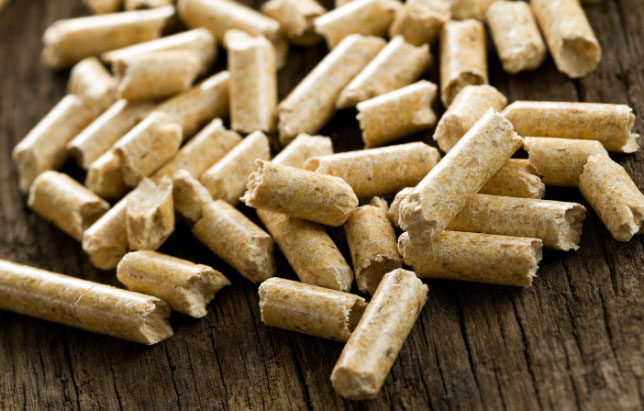
Using high-quality pellets is crucial if you own or are considering buying a pellet heater. Low-quality pellets can cause performance issues and reduce the overall lifespan of the heater and its installation.
These issues arise because low-quality pellets contain moisture and higher amounts of elements such as chlorine, sulfur, or potassium than recommended by international standards. On the other hand, high-quality pellets provide greater efficiency and cost savings.
To ensure optimal quality, you should purchase pellets with consistent technical properties; we recommend choosing pellets with a certified quality seal.
European standard EN 14961-2 (solid biofuels – Pellets) was updated by UNE-EN ISO 17225-2:2014, establishing three quality tiers based on technical specifications: ENplus A1, ENplus A2, and ENplus B, with A1 representing the highest quality.
Class A1 consists of pellets made from virgin wood and chemically untreated wood residue, featuring low ash, nitrogen, and chlorine levels. Fuels with slightly higher ash, nitrogen, and/or chlorine levels belong to Class A2. Class B permits recycled wood and industrial wood residues, provided they are chemically untreated, and strictly adheres to maximum limits for heavy metals.